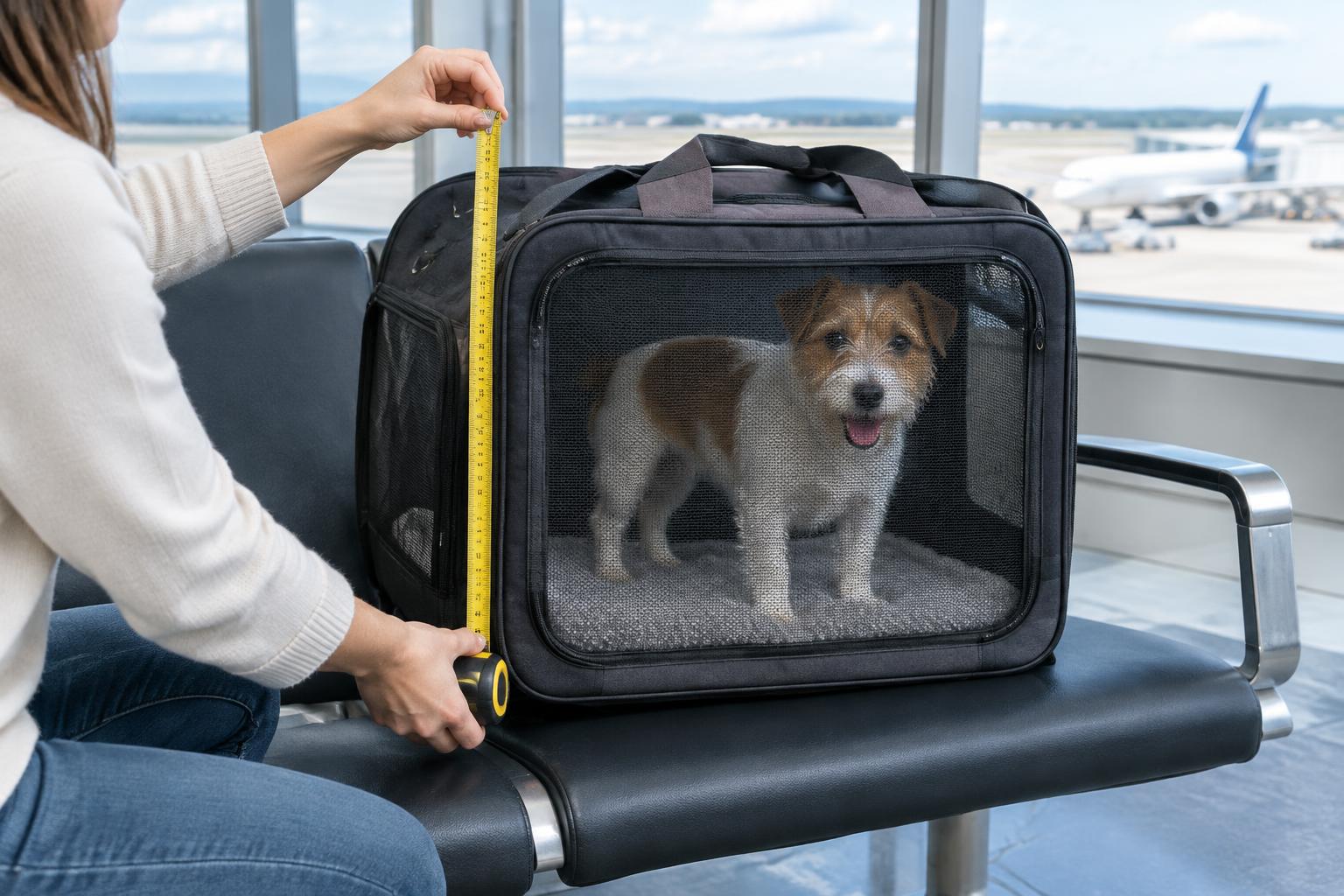
What every dog needs
- Be at least six months old on arrival, including when returning to the U.S.
- Appear healthy on arrival.
- Have a microchip detectable by a universal scanner.
- Have a CDC Dog Import Form receipt, plus any documents required for the applicable entry path.
CDC specifies a chip readable by a universal scanner—not a universal requirement for a 15-digit ISO chip. For the high-risk vaccination paths, the chip must have been implanted before the rabies vaccination used for entry. A vaccination given before the chip is not accepted for these CDC import requirements; ask your veterinarian about the required next steps.
Choose the correct CDC entry path
Check the CDC rabies high-risk countries list against every country your dog has visited in the six months before arrival—not just the country of departure. Countries not on CDC’s high-risk list are considered dog-rabies-free or low-risk. If your vaccination documents do not meet a path’s requirements, do not assume that your dog qualifies.
CDC rabies high-risk countries list
1. Only dog-rabies-free or low-risk countries
If your dog has been ONLY in dog-rabies-free or low-risk countries during the previous six months, the CDC Dog Import Form receipt is the only document CDC requires for this path. The age, health and microchip requirements still apply. CDC allows entry at any airport, seaport or land border crossing; other authorities or carriers may require additional documents.
2. High-risk travel history + U.S.-issued rabies vaccination
You need the CDC Dog Import Form receipt and the specific Certification of U.S.-issued Rabies Vaccination form, completed by a USDA-accredited veterinarian and endorsed by USDA before your dog leaves the U.S. An ordinary dog rabies vaccination certificate is not the same document. With valid documents, CDC allows arrival at any airport, seaport or land border crossing, matching the port on your receipt. If you have already departed without the form, consult CDC’s current instructions rather than assuming it can be replaced after departure.
3. High-risk travel history + foreign-issued rabies vaccination
You need the CDC Dog Import Form receipt, a Certification of Foreign Rabies Vaccination and Microchip form completed by a veterinarian and endorsed by an official government veterinarian, and an advance reservation at a CDC-registered animal care facility. The reservation includes an examination and rabies revaccination. Arrive by air at the U.S. airport where your reserved facility is located; the airport must match the receipt. This ordinary pet path does not permit land-border entry. CDC describes a narrow sea-arrival exception for qualifying service dogs—not a general exception for pets.
CDC Dog Import Form: where to complete it and what happens next
Complete the form through CDC’s official page. It is free and each dog needs its own form. Follow the current email-confirmation instructions, then keep the receipt on your phone or print it. PetUnited does not collect your import documents, issue the receipt or approve entry.
CDC says the form can be completed on the day of travel, but recommends completing it a few days in advance. For the low-risk path, the receipt may be valid for six months subject to the country and travel-history conditions on CDC’s page. For high-risk travel, use the correct arrival airport or port and travel details; check the current receipt instructions when plans change.
Open CDC’s form instructionsRabies documents and timing
For foreign-vaccinated dogs with high-risk travel history, a valid rabies serology titer report must come from a CDC-approved laboratory. Without an accepted report, the facility reservation must include a 28-day quarantine. A valid titer does not remove the required facility examination and revaccination.
CDC’s laboratory guidance requires blood collection at least 30 days after the initial valid rabies vaccination and at least 28 days before importation. The foreign vaccination/microchip form must be completed no more than 30 days before travel. Initial rabies vaccination must meet CDC’s minimum age and waiting-period rules; ask your veterinarian and facility to review the actual records and schedule. Leave time for endorsement, laboratory processing and facility availability.
CDC-approved laboratories and testing rules
International travel and some state-to-state moves need a health certificate signed by a USDA-accredited veterinarian. Search the official USDA list by state, county and species (Category I covers dogs and cats).
Find a USDA-accredited vetDo dogs need a pet passport for the USA?
“Pet passport USA” is a common search phrase, but do not rely on a generic passport booklet as proof of compliance. CDC identifies specific forms for each entry path. Your dog’s vaccination records, chip number and travel history must support those forms. USDA, your destination and the airline may have separate requirements; international pet travel is not covered by one universal document.
What about cats?
The CDC dog import rules above do not apply to cats. CDC requires cats to appear healthy and may require veterinary examination at the owner’s expense if they appear ill. CDC does not require proof of rabies vaccination for cats entering the U.S., but recommends vaccination. Destination and airline rules can differ; Hawaii and Guam have locally imposed quarantine requirements.
Your pre-booking checklist
- List every country your dog has visited in the six months before arrival and check the current CDC high-risk list.
- Confirm your dog’s age and microchip readability; have a veterinarian verify chip and vaccination dates.
- Select the correct entry path and arrange the required veterinary and government endorsements.
- If required, obtain an accepted titer report or reserve the 28-day quarantine at the CDC-registered facility.
- Match the arrival airport or port to your documents and facility reservation before paying for flights.
- Complete the official CDC form, confirm your email as instructed and save the receipt.
- Check USDA, destination-state and airline rules; confirm pet space on every segment directly with the operating airline.
Rules, forms and facility availability can change. Recheck the linked official pages before booking and again before departure.